












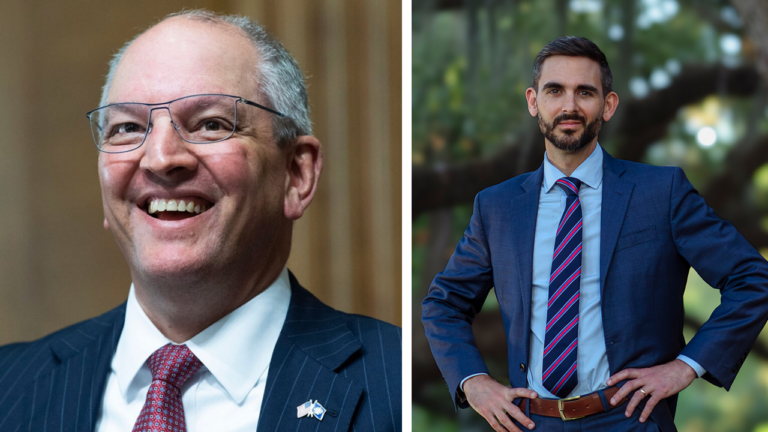
Former Gov. John Bel Edwards endorsed Nick Albares on Tuesday in Louisiana’s Democratic U.S. Senate primary, giving Albares his most significant late boost less than three weeks before voters choose the party’s nominee.
The endorsement lands at a consequential point in the race: after the Democratic candidates’ first major debate, with early voting approaching and the May 16 primary close enough that every new signal of momentum now matters.
In a statement released by Albares’ campaign, Edwards said his support is rooted in years of working with Albares during his administration.
“Nick and I worked together for years during my time as governor. He was smart, tough and shared my belief that we should always put Louisiana first,” Edwards said. “I’m proud to endorse him because he’ll bring those values to Washington along with the grit to do what is right for our state.”
Edwards added, “As you prepare to vote in the May 16th primary I encourage you to vote for Nick Albares for U.S. Senate.”
For Albares, the endorsement is more than a recognizable name on a press release. Edwards remains the clearest modern example of a Louisiana Democrat winning statewide in a deeply Republican state. He won the governor’s race in 2015, won reelection in 2019, and built his brand around a blend of Medicaid expansion, public school investment, military service, and a politically cautious but durable appeal to voters beyond the Democratic base.
That is exactly the lane Albares has been trying to claim.
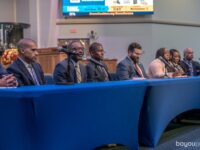
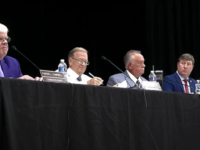
Albares, a former Edwards administration policy adviser, has repeatedly centered his campaign on healthcare, Medicaid, education and the argument that Democrats need a nominee who understands both policy and governing. At last week’s debate at Southern University, Albares leaned heavily on his experience in the Edwards administration, using Medicaid protection as the clearest throughline of his campaign.
In his response Tuesday, Albares tied Edwards’ endorsement directly to that record.
“I was proud to work for Governor Edwards and fight alongside him to protect funding for Medicaid and to ensure every child in Louisiana could get a great education,” Albares said. “In the U.S. Senate, I’ll continue to build on his work to ensure no one is denied access to healthcare and we are able to pay teachers what they deserve.”
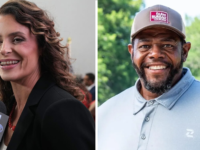
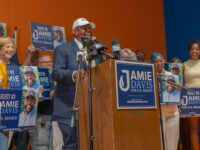
The endorsement also complicates the institutional picture of the Democratic primary. Jamie Davis, a farmer from northeast Louisiana, previously won the Louisiana Democratic State Central Committee’s endorsement, giving him the formal backing of the state party. Gary Crockett, a Navy veteran and businessman, has positioned himself as an outsider candidate with a focus on leadership, economic opportunity and frustration with politics as usual.
Edwards’ endorsement gives Albares a major counterweight: the backing of the most electorally successful Louisiana Democrat of the last decade.
Albares’ campaign also pointed to support from the AFL-CIO of Greater New Orleans, Alliance for Good Government, Independent Women’s Organization New Orleans, former U.S. Rep. Charlie Melancon, state Rep. Cynthia Willard-Lewis and Forum for Equality PAC.
The timing is impossible to miss. Coming just days after the debate, the endorsement gives Albares’ campaign a chance to sharpen its closing argument as voters begin making final decisions. It also reinforces the contrast Albares has tried to draw throughout the race: not simply that he agrees with Democratic voters on the issues, but that he has already been inside the fights over Medicaid, education and state government that shaped the Edwards years.
Whether that is enough to shift the race remains an open question. Davis still has the party endorsement. Crockett still has an outsider profile that may appeal to voters tired of the usual political channels. And in a low-turnout closed primary, organization, name recognition and late momentum can matter as much as message.
But Edwards’ endorsement is the kind of late development campaigns want when they are trying to turn a debate performance into a closing surge.
For Albares, it gives his campaign a simple argument in the final stretch: the Democrat who last figured out how to win statewide in Louisiana believes he is the candidate best prepared for the fight ahead.