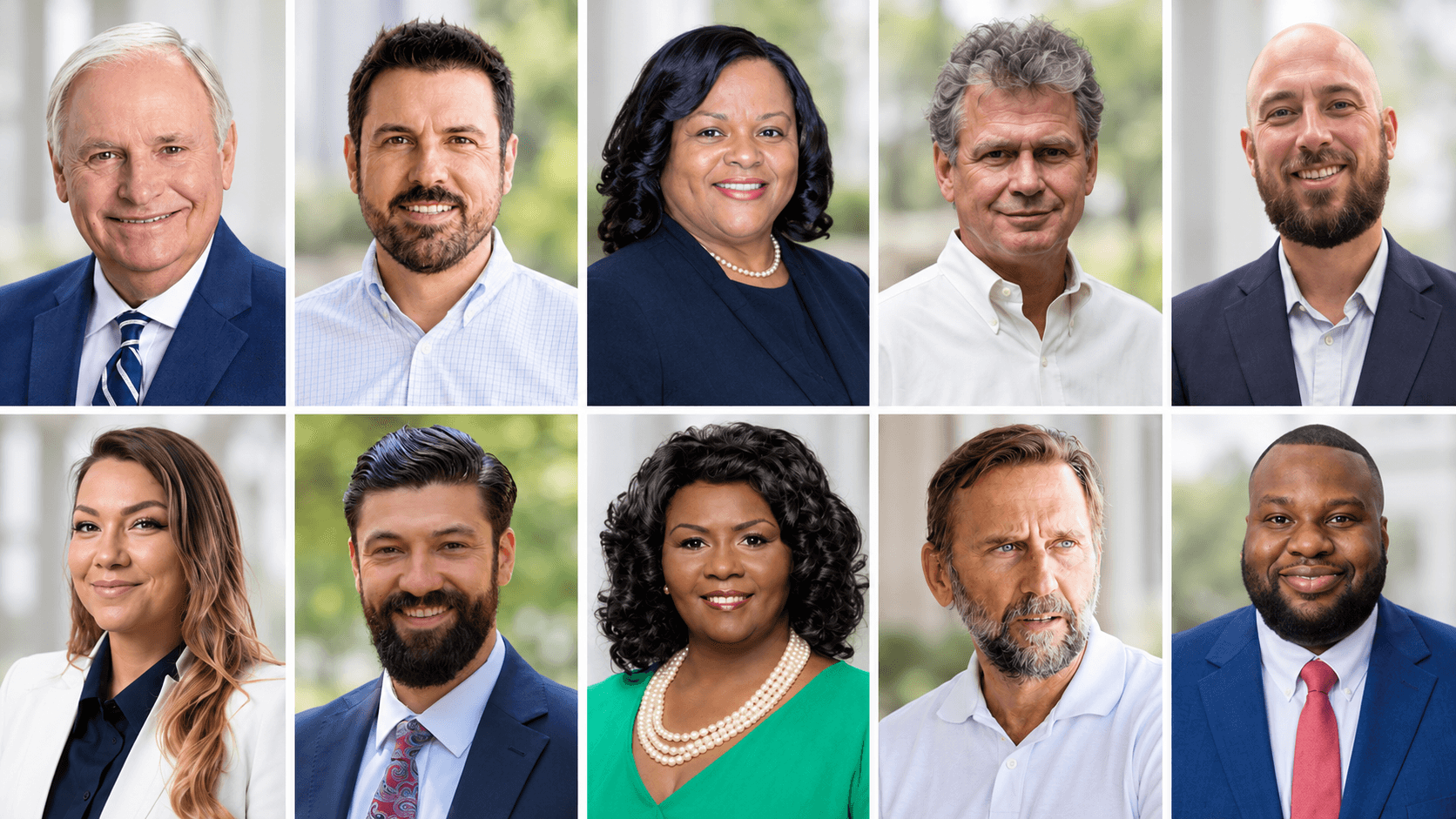
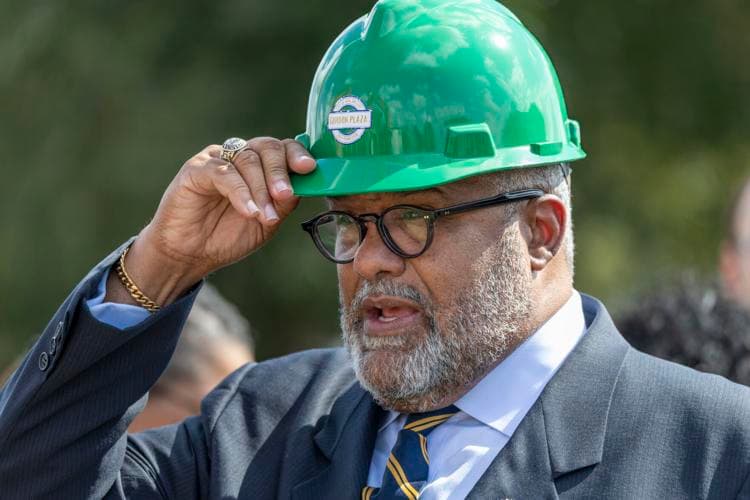
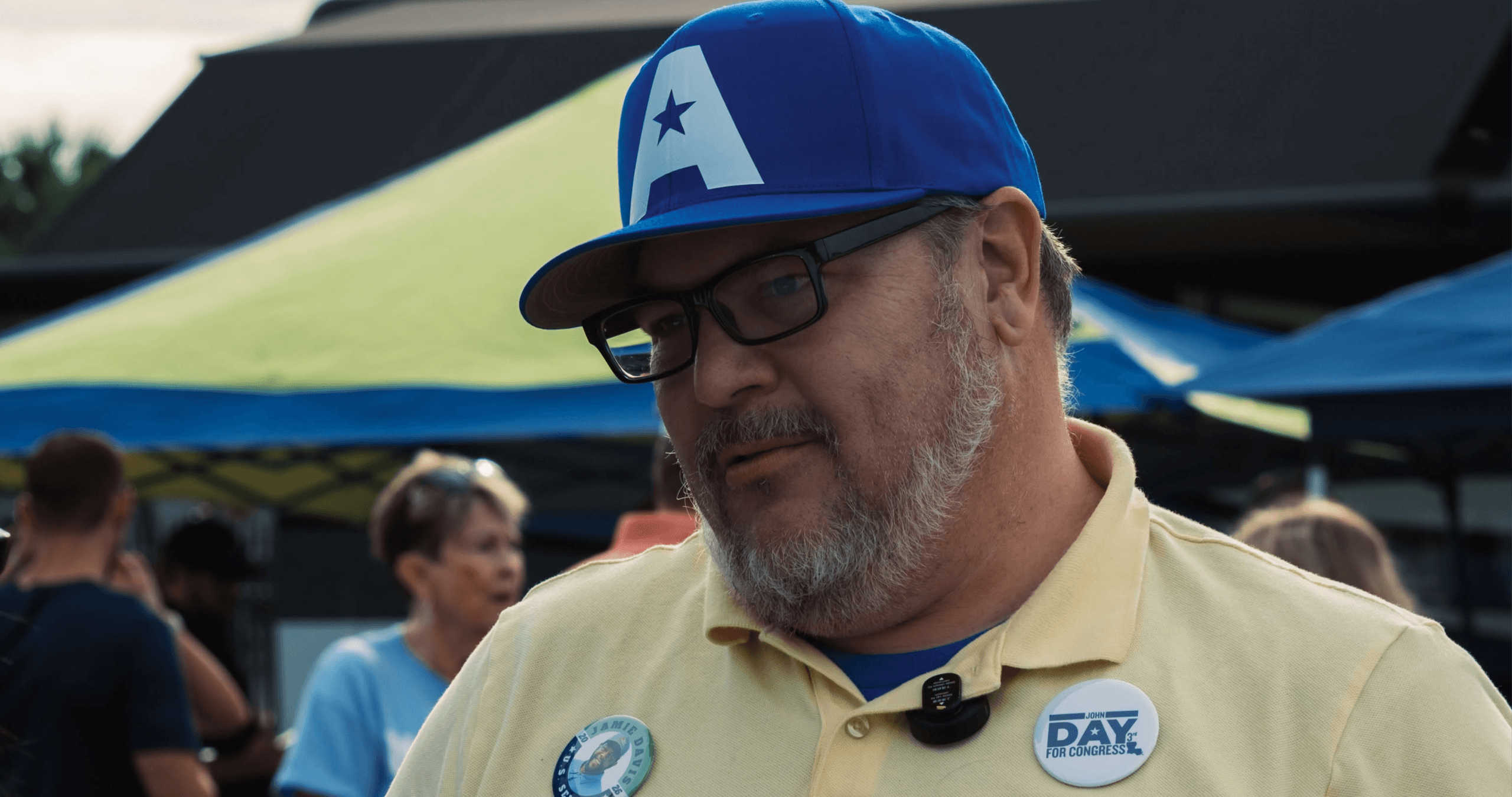
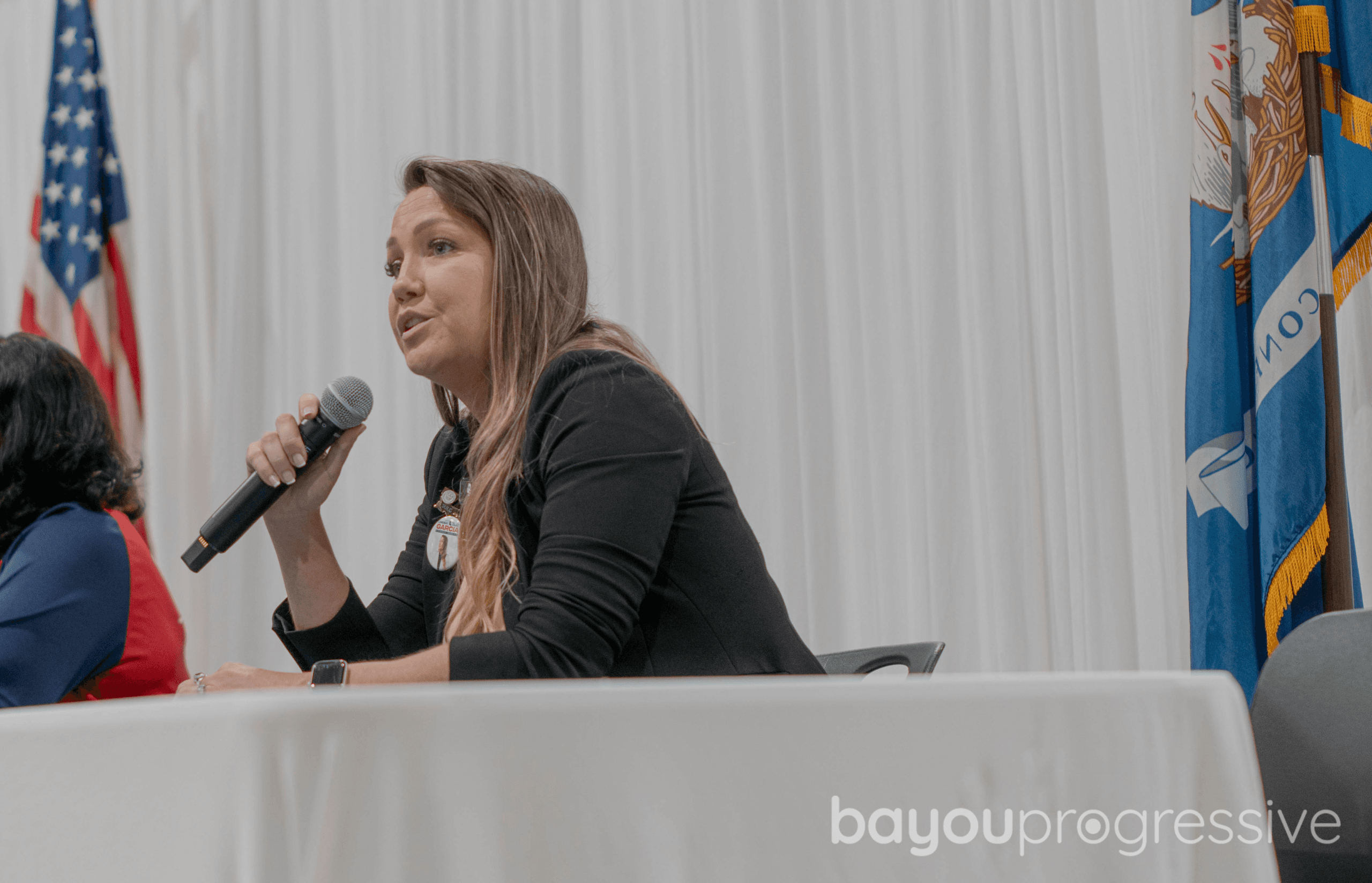
Louisiana’s newly redrawn 6th Congressional District is becoming an expensive battleground for Republicans, with millions flowing into campaign advertising and outside political groups spending heavily to influence the contest. Meanwhile, three Democrats are trying to build support with considerably smaller budgets in a district specifically redrawn to favor the GOP. New federal campaign finance reports…
Stay in the know
Louisiana moves fast. Stay with the story.
Join The Bayou Progressive mailing list for independent reporting, sharp perspectives, and updates from Louisiana’s capital region.
We’re building our mailing list now. We’ll be in touch when our newsletter launches.
The Democrat challenging House Speaker Mike Johnson reported $445,580 in cumulative receipts, but approximately 80% of that total came from money he loaned his own campaign.
The 2nd District congressman entered October with more than $666,000 in cash on hand, with PAC contributions accounting for much of his cumulative fundraising.
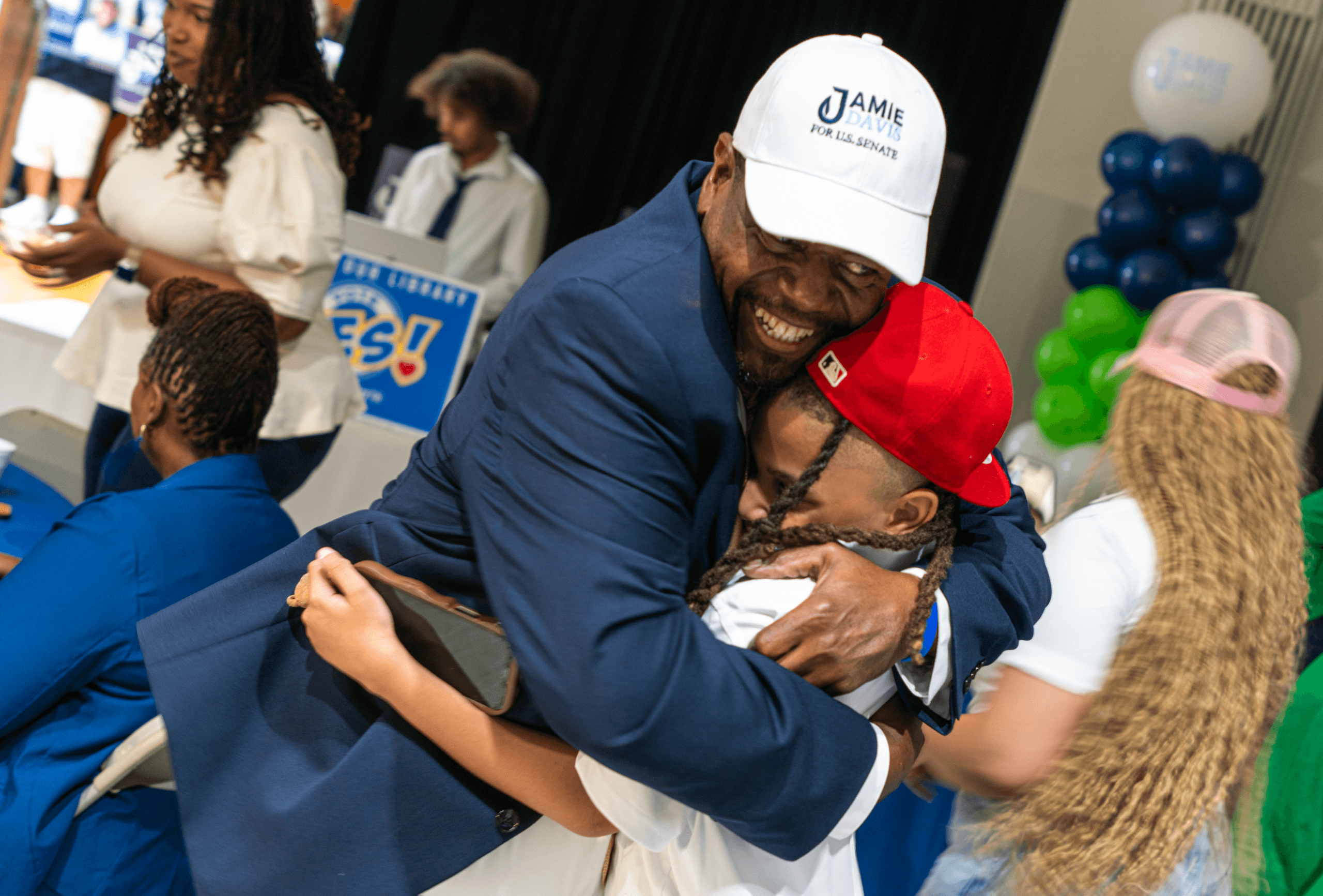
The 3rd District Democrat reported nearly $109,000 in new receipts since mid-July, substantially increasing his campaign's fundraising and entering October with more than $84,000 in cash on hand.
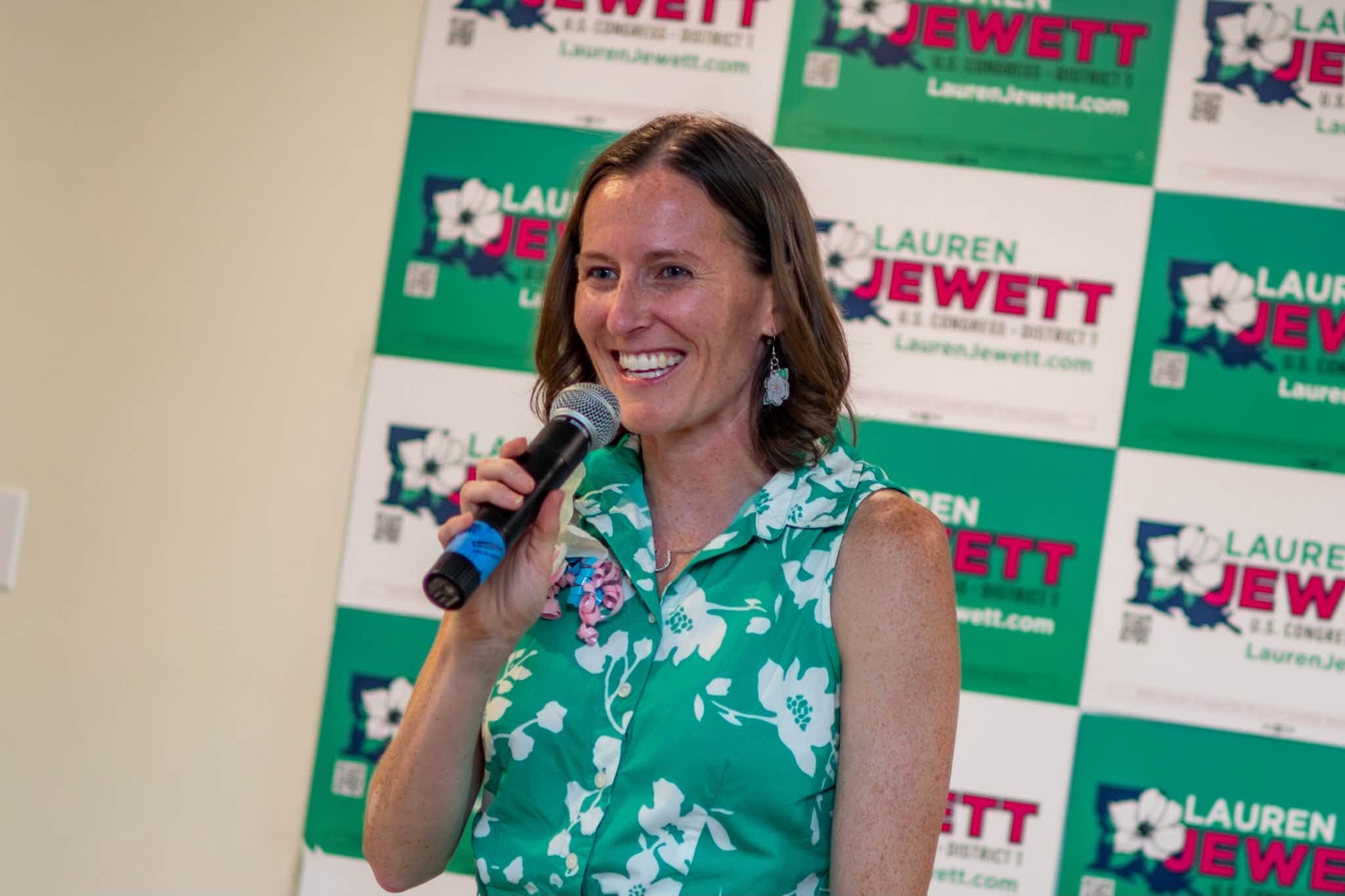
The 6th District Democrat reported approximately $27,000 in new receipts since mid-July, but campaign spending outpaced fundraising, leaving her with $27,700 heading into the final weeks before Election Day.
The ads, the campaign’s first of the election cycle, will run on television, CTV, and digital across the state through Election Day, according to campaign officials.
Four candidates for Louisiana’s newly redrawn 6th Congressional District took the stage Friday night at Baton Rouge’s Manship Theatre for what was billed as a debate but often felt more like a televised candidate forum. Democrats Chauna Banks, Pat Forbes and Lindsay “Rubia” Garcia were joined by Republican state Sen. Rick Edmonds for the hour-long…
Pat Forbes does not pretend that three Democrats competing in Louisiana’s newly redrawn 6th Congressional District is an ideal situation. “Obviously, it’s not good for us to have three Democrats in the race,” Forbes told The Bayou Progressive in a wide-ranging interview this week. “But here we are.” The question hanging over Forbes’ candidacy is…
Louisiana’s newly redrawn 6th Congressional District is becoming an expensive battleground for Republicans, with millions flowing into campaign advertising and outside political groups spending heavily to influence the contest. Meanwhile, three Democrats are trying to build support with considerably smaller budgets in a district specifically redrawn to favor the GOP. New federal campaign finance reports…
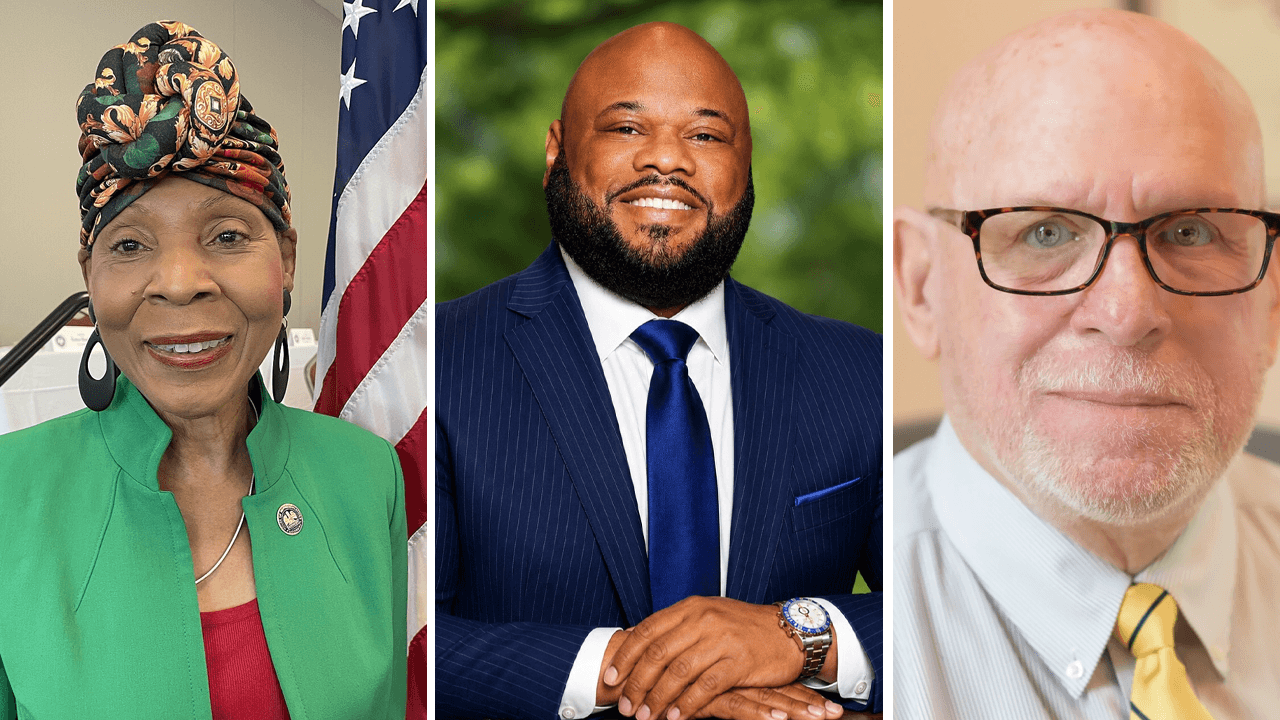
New campaign finance reports show Antonio Wilson and Pat Moore entering October with limited cash reserves, while Republican opponents report substantially larger campaign treasuries.
The Tensas farmer and Democratic nominee reported a surge in individual contributions, but Letlow maintains a nearly $477,000 cash advantage heading into October.
The number of Louisiana voters classified as inactive more than doubled during a matter of weeks last summer, according to a new analysis from the ACLU of Louisiana that also found the impact fell disproportionately on Black and Democratic voters across nearly every parish in the state. The report, released August 4 and authored by…
A new report from Tulane University’s Newcomb Institute connects Louisiana’s population decline to the state’s deeper failures on public health, maternal care, rural access and economic opportunity. Louisiana is not just losing people. It is losing people while struggling to keep too many of its remaining residents healthy, safe and economically stable. That is the…
A newly released federal watchdog report found serious safety, medical, legal access and use-of-force violations at Winn Correctional Center, a Louisiana facility used to detain immigrants for U.S. Immigration and Customs Enforcement. The Department of Homeland Security Office of Inspector General report, released June 2, details the findings of an unannounced March 2025 inspection of…
Gov. Jeff Landry has reached an unusual point in his increasingly bitter relationship with New Orleans Mayor Helena Moreno: he will not speak to her, but he would still like to be thanked. Landry took to social media Friday afternoon after Moreno issued a statement marking the end of the Louisiana National Guard’s eight-month deployment…
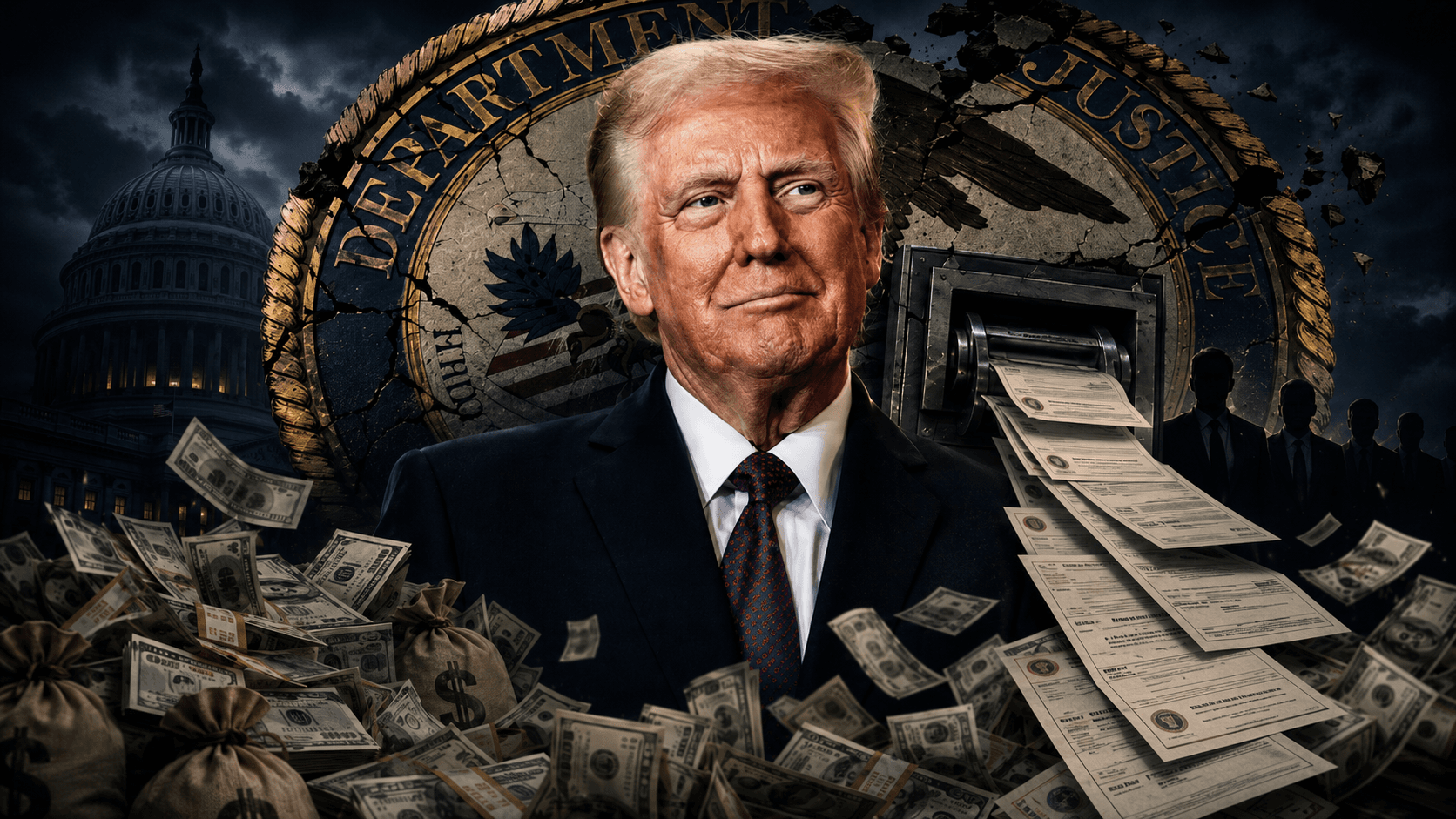
It turns out reparations are not unrealistic. They are not too complicated. They are not inherently divisive. They are not some fringe fantasy that no serious government could ever administer. Apparently, reparations are perfectly manageable when the beneficiaries are Donald Trump’s political allies. On Monday, the Trump administration announced the creation of a $1.776 billion…
Gov. Jeff Landry ordered flags lowered for Martha Elizabeth Odom, the 17-year-old Lafayette student killed in a shooting at the Mall of Louisiana. Let’s start where basic decency requires us to start: Martha Odom was a child. Her death was a horror. Her family deserves grief without spectacle, memory without exploitation, and space to mourn…