









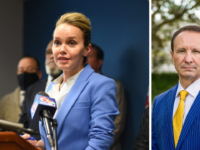
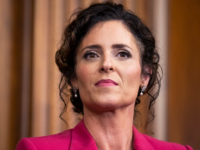






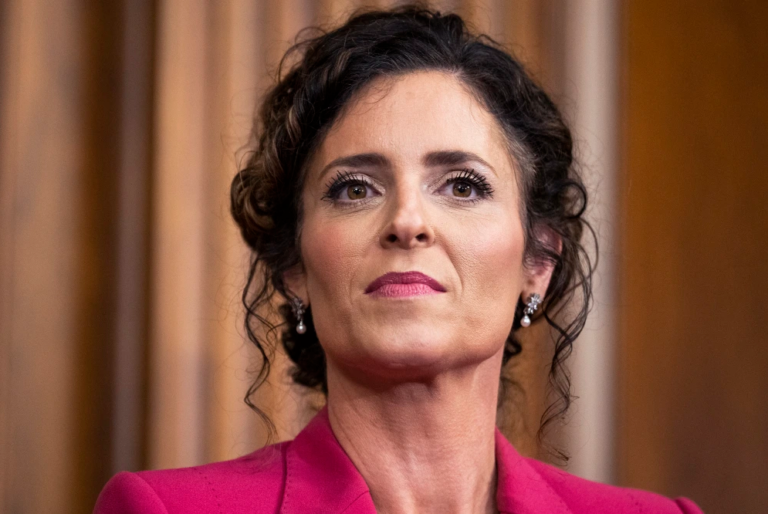
Rep. Julia Letlow had until Thursday to file the annual financial disclosure that should provide Louisiana voters with their clearest accounting yet of her finances during a year already marked by hundreds of previously undisclosed stock and bond transactions.
That deadline has passed.
As of 3 PM on Friday afternoon, Letlow’s 2025 annual financial disclosure was not publicly available through the House Clerk. Letlow had already received the maximum 90-day extension from the original May 15 deadline, moving it to Aug. 13.
When NOTUS reported on the extension in May, Letlow spokesperson Matt Smith said the disclosure would be filed “in full compliance with the law and transparency.”
That assurance matters more now than it did then.
House filings can take time to appear publicly, so the absence of the report does not by itself prove Letlow failed to submit it before Thursday’s deadline. Her office can resolve that question easily by confirming when the report was filed and providing proof of submission.
But the delay comes at a particularly bad moment for Letlow because this is not her first disclosure problem.
In January, Letlow filed a 26-page Periodic Transaction Report identifying 224 stock and bond transactions that had previously gone undisclosed. Forbes found that 211 of them were reported beyond the STOCK Act’s 45-day deadline, with some dating back to 2024.
The trades ranged in combined value from roughly $266,000 to $3.5 million under Congress’ broad disclosure ranges.
Letlow’s office blamed the problem on a professionally managed Merrill Lynch account, saying the firm had discretionary authority over the investments and that Letlow did not personally direct individual trades.
That may explain who made the investment decisions.
It does not eliminate Letlow’s legal responsibility to report them.
House Ethics guidance specifically says managed brokerage accounts are still subject to federal disclosure requirements and that members remain personally responsible for incomplete or inaccurate filings regardless of who helps manage their finances.
And Letlow’s January disclosure raises another unanswered question.
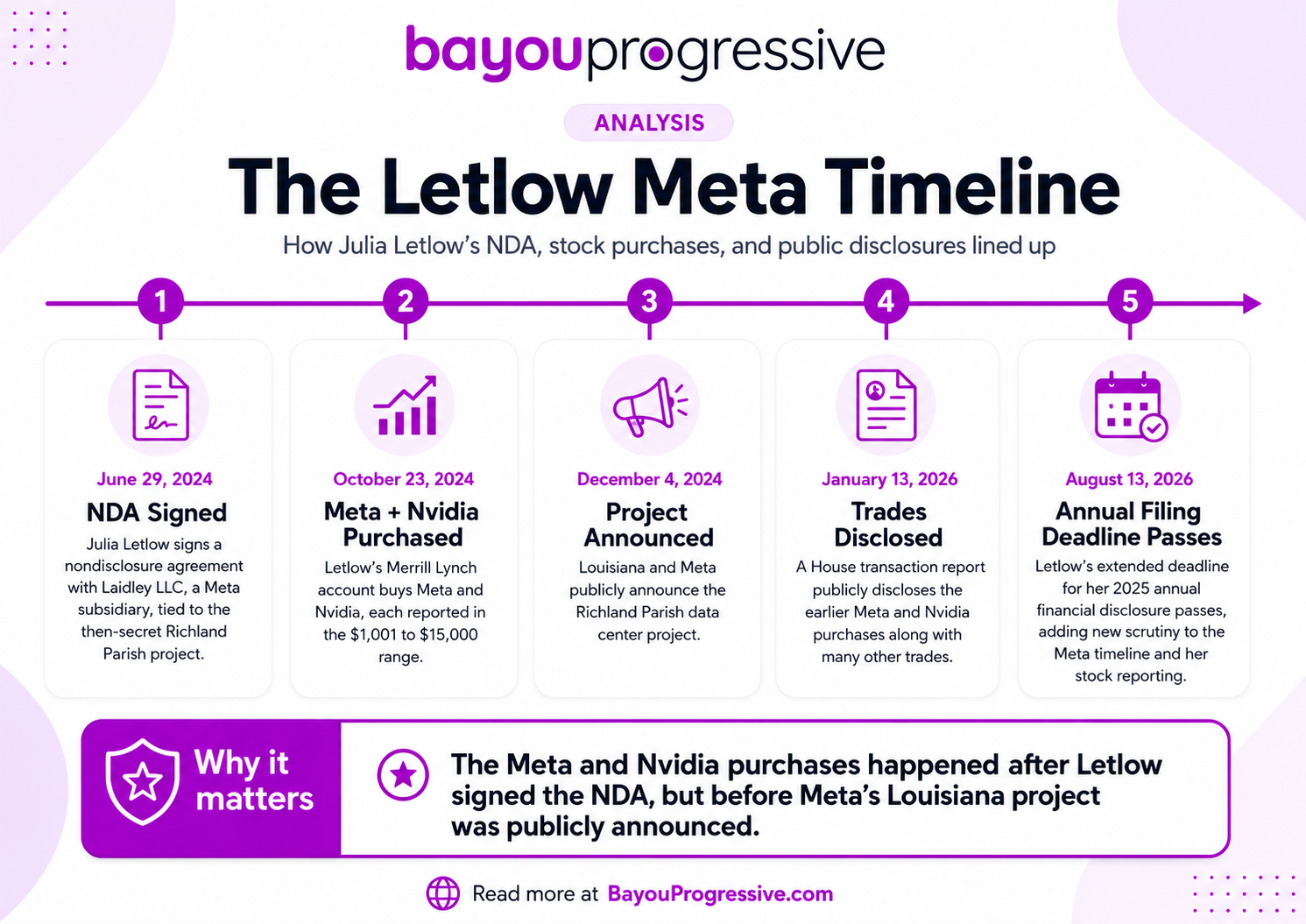
Of the 224 transactions in that report, 175 list Aug. 11, 2025 as the date Letlow was notified they had occurred. Yet they were not reported to the House until Jan. 13, 2026.
That means the broker explanation may explain how some transactions initially escaped notice, but it does not explain why so many remained undisclosed for months after Letlow’s own filing says she had been notified of them.
Then there is Meta.
On June 29, 2024, Letlow signed a nondisclosure agreement tied to Meta’s then-secret plans for a massive artificial intelligence data center in Richland Parish.
The agreement was broad. It defined confidential information to include financial information, business opportunities, proposed terms, pricing information and other business details, and even treated the existence and nature of the discussions themselves as confidential.
Four months later, on Oct. 23, Letlow’s Merrill Lynch account purchased between $1,001 and $15,000 in Meta stock.
The same day, it purchased Nvidia.
Meta’s Richland Parish project was not announced publicly until December.
That sequence is where the issue moves beyond missed paperwork and into a more serious conflict-of-interest question.
Federal law explicitly subjects members of Congress to insider-trading rules involving material nonpublic information obtained through their official responsibilities. The key facts therefore matter greatly: what information Meta provided Letlow before the stock purchase, when she received it, whether it was material to the company’s business and what safeguards existed between Letlow and the people managing her investments.
So far, those facts have not been publicly answered.
Letlow’s strongest defense is that she did not personally choose Meta. And the broader trading pattern lends some credibility to that explanation. Meta was one of dozens of stocks purchased by the account on Oct. 23, suggesting a large portfolio rebalance rather than a singular bet on a company whose plans she knew about privately.
But that does not fully resolve the ethical problem.
A discretionary investment account is not the same thing as a qualified blind trust. Letlow still owned the underlying stocks, and House rules continued to treat them as her assets.
That leaves a basic question: if a member of Congress knows she may receive confidential information from major corporations, why maintain an account that is free to buy individual stock in those same companies?
And if Letlow retained any ability to restrict the account from buying certain companies, why was Meta not placed off limits once she entered a confidential relationship with it?
The issue becomes broader still because Letlow serves on the House Appropriations Committee, where she routinely deals with industries affected by federal spending and regulation. Her investment account has traded technology companies, defense-related firms, pharmaceutical companies, health insurers and major financial institutions.
An investment manager may separate Letlow from the act of selecting those stocks. It does not necessarily separate her financial interests from the work she does in Congress.
The January corrective filing itself also contains apparent inconsistencies. One transaction lists a purchase date after its notification date, suggesting at least one likely date error despite Letlow’s office saying it had retained legal counsel to conduct a comprehensive review of the accounts.
And trading continued after the January controversy became public.
A March filing showed another round of individual stock transactions, including another Meta purchase in February. That later Meta trade did not carry the same concern as the 2024 purchase because the Louisiana project was already public. But it showed that Letlow’s response to the disclosure failures was not to abandon individual-stock trading or move into a qualified blind trust.
Instead, the same basic investment structure remained in place.
That is why the missing annual disclosure matters.
The report should help reconcile Letlow’s holdings with the transactions she belatedly disclosed, show what she owned at the end of 2025 and provide another test of whether the comprehensive financial review her office described actually produced a complete public record.
Letlow asked for the maximum amount of additional time before releasing it.
That time is now up.
If the report was filed on time, her office should say so and provide the filing. If it was not, voters deserve to know why a member of Congress who already acknowledged hundreds of late transaction disclosures missed another financial deadline.
And beyond the deadline itself, Letlow still has larger questions to answer.
What exactly did Meta tell her before her account bought Meta stock? What restrictions, if any, prevented her investment manager from trading companies about which she possessed confidential information? Why did 175 transactions remain unreported for months after her own filing says she had been notified about them? And after all of this became public, why did she continue holding an actively traded portfolio of individual stocks instead of eliminating the conflict altogether?
Those are not partisan questions.
They are basic questions of judgment, transparency and trust for someone asking Louisiana voters to send her to the United States Senate.
EDITOR’S NOTE — Aug. 21, 2026: Rep. Julia Letlow’s office contacted The Bayou Progressive following publication to clarify that her 2025 annual financial disclosure was submitted to the House Clerk on Aug. 13, the final day of her approved extension. The filing is now publicly available.

When this article was published on Aug. 14, the report was not yet publicly available through the House Clerk’s disclosure database. The article stated that fact and explicitly noted that the absence of a publicly available report did not establish that Letlow had failed to submit it on time. The subsequently posted filing confirms that she did.

The Bayou Progressive has added this note to clarify the distinction between the date the report was filed and the date it became publicly accessible. The other financial-disclosure and stock-trading issues examined in the article are separate from that timing question.