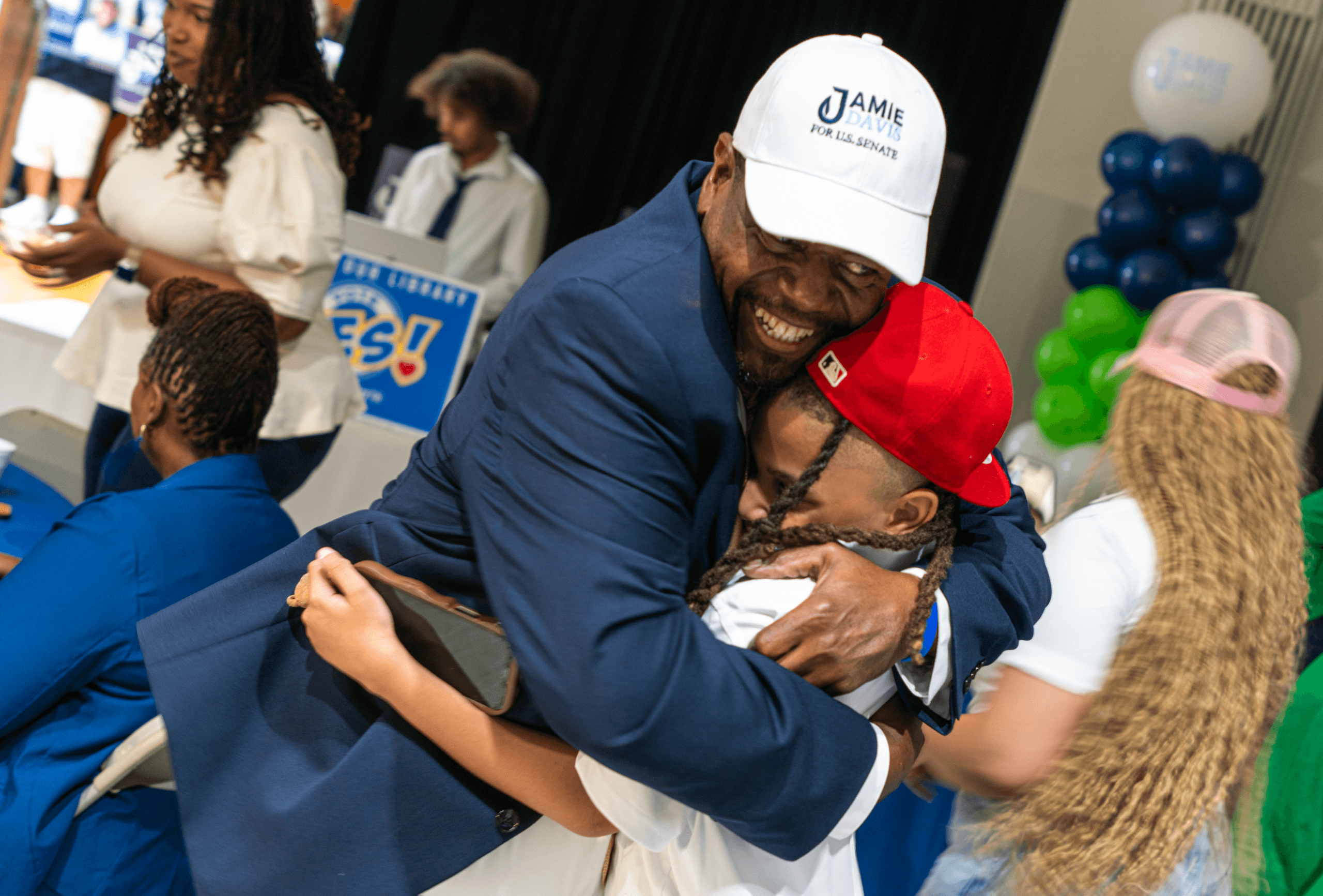
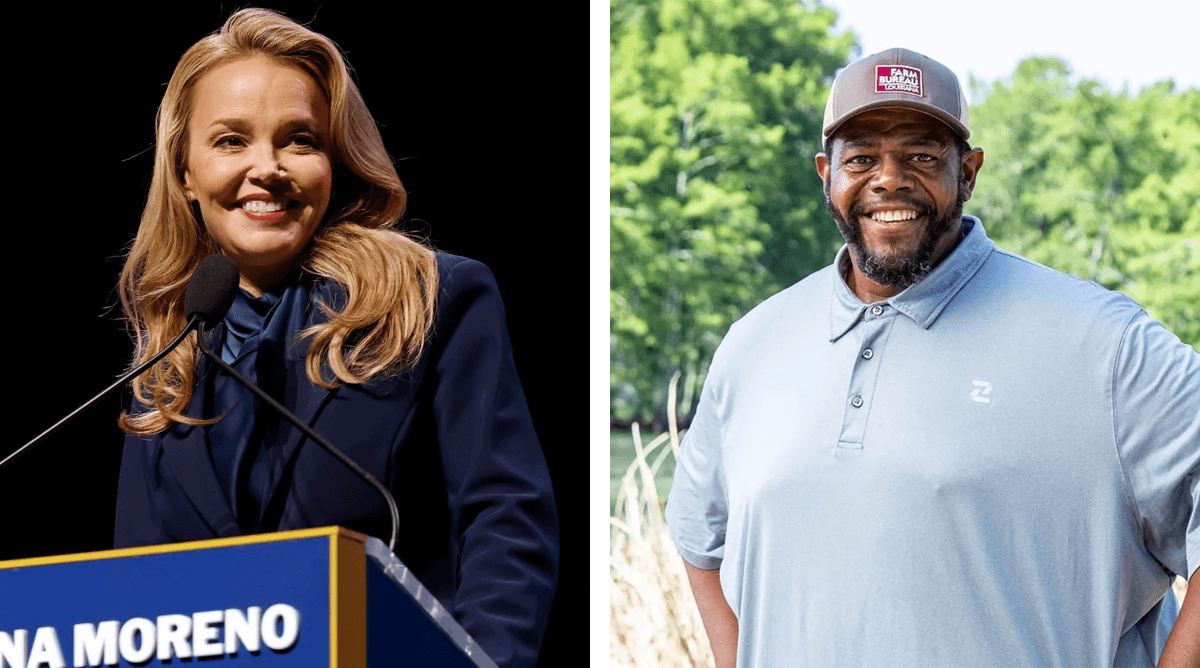
New Orleans Mayor Helena Moreno has endorsed Jamie Davis in Louisiana’s Democratic runoff for U.S. Senate, giving Davis another high-profile boost as his campaign works to close out the nomination fight and turn Democratic attention toward the fall.
Davis announced the endorsement Monday in a social media post, framing Moreno’s support as part of a broader rural-urban coalition stretching “from the rows of Waterproof to the front porches of New Orleans.”
Moreno, one of the state’s most prominent Democratic elected officials, said she was joining the Louisiana Democratic Party in backing Davis.
“I am proud to join the Louisiana Democratic Party in endorsing Jamie Davis for the United States Senate,” Moreno said in the statement shared by Davis’ campaign. “As a farmer, Jamie brings a strong rural perspective, while I represent New Orleans and urban Louisiana. We both understand that Louisiana is at its strongest when we bring people together.”
Moreno added that she looks forward to having “a partner in the Senate who will fight for Louisiana and support the needs of New Orleans.”
The endorsement lands at a useful moment for Davis, who has leaned heavily into a message of geographic and economic unity throughout the campaign. Davis, a farmer from Waterproof, has pitched himself as a candidate rooted in rural Louisiana but focused on issues that cut across the state, including affordability, health care, infrastructure, and working-class economic pressure.
It also helps Davis reinforce one of the central arguments of his runoff campaign: that his path to the nomination depends on holding together the coalition that gave him a strong first-place finish in the May primary.
In his post, Davis said Orleans Parish delivered more than 26,000 votes to his campaign in the first round. That matters in a runoff where turnout, especially among reliable Democratic voters, will likely decide the race.
The Davis campaign has tried to present that first-round performance as evidence that his support was not limited to one region or faction of the party. His campaign has said he carried all 64 parishes in the primary and finished with 47% of the vote, just short of avoiding the runoff outright. Gary Crockett advanced to the runoff after a close second-place contest with Nick Albares, whose campaign drew support from former Gov. John Bel Edwards and several establishment-aligned figures.
Since then, however, the runoff has increasingly taken on an uneven shape. Davis has continued rolling out endorsements, messaging to voters, and pushing supporters toward early voting. Crockett, by contrast, has run a comparatively quiet runoff campaign, leaving many Democrats with the impression that the party has spent the last month waiting to resolve a contest that has not developed into a full-scale fight.
That dynamic gives Moreno’s endorsement added weight. It is not just another name on a press release. It adds to the growing sense that much of the Democratic infrastructure has already moved in Davis’ direction, even as the formal nomination process still has to play out.
For a party facing a difficult statewide race in the fall, time matters. Every week spent on an underpowered runoff is a week not spent defining the eventual nominee, organizing voters, raising money, and building the kind of broader campaign Democrats would need to make the general election more competitive. That reality has been quietly hanging over the race as early voting continues.
Moreno’s endorsement also helps Davis answer one of the usual questions facing any rural statewide Democratic candidate in Louisiana: whether they can also connect with urban voters, particularly in New Orleans, the state’s largest Democratic vote center.
Davis is not simply saying that rural Louisiana and New Orleans have shared interests. He now has the mayor of New Orleans saying it with him.
For Democrats, the question in the runoff is no longer just which candidate can win the nomination. It is also which candidate can leave the primary with enough unity, urgency, and momentum to avoid limping into the fall. Davis’ campaign is betting that a farmer from Waterproof, backed by New Orleans’ mayor and the state party, can offer Democrats a broader working-class message than the party has carried into recent statewide fights.
The runoff between Davis and Crockett will determine which Democrat advances to the general election for U.S. Senate. Early voting is currently underway and runs daily through Saturday, June 20. Election Day is June 27.
For Davis, Moreno’s endorsement is both symbolic and practical. Symbolically, it strengthens the “One Louisiana” message his campaign has tried to build around. Practically, it gives his campaign another recognizable validator in a critical Democratic stronghold.
In a low-turnout runoff, that combination could matter. And for Democrats eager to stop relitigating the primary and start preparing for the fall, it may also help bring the race one step closer to conclusion.