



















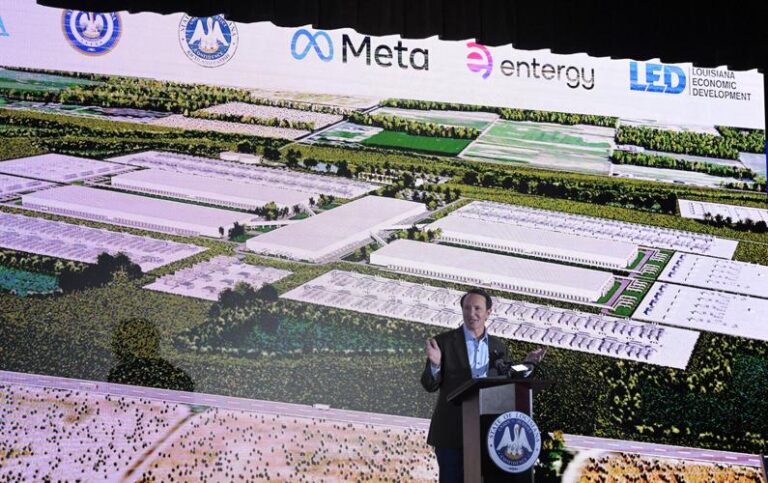
The push for massive data center construction in Louisiana, anchored by Meta’s staggering $27 billion facility in Richland, is being presented as a modern economic masterstroke. But as the details of the proposed subsidies emerge, it looks less like a “new frontier” and more like a high-tech version of the same lopsided deals that have drained the state’s coffers for decades.
According to a WBRZ report, state and local governments are preparing to hand over billions of dollars in tax breaks to some of the wealthiest corporations on the planet.
The New “Sweetheart Deal”
The math of these exemptions is simple and devastating. Louisiana’s combined sales tax sits around 10%. By exempting a $27 billion project from taxes on its massive server arrays, specialized chillers, and electrical infrastructure, the state isn’t just “incentivizing” growth = it is effectively writing a multi-billion-dollar check to Silicon Valley.
This isn’t a speculative fear; it’s a documented reality. Virginia is currently grappling with the fallout of similar policies, which cost their state and local governments $1.9 billion in 2024 alone.
A Familiar Script: From Petrochemicals to Pixels
For Louisianans, this playbook is all too familiar. For years, the state has allowed the petrochemical industry to bypass billions in property and sales taxes through programs like the Industrial Tax Exemption Program (ITEP). The trade-off is always the same: we are told these breaks are necessary to “create jobs.”
Yet, much like a modern refinery, a data center is a capital-intensive, labor-light operation. Once the construction phase ends, these massive complexes require only a skeleton crew of specialized technicians to keep the lights on. We are repeating the same “chump” move we’ve made with Big Oil: giving away the public’s tax base for a handful of permanent jobs while the infrastructure remains a private asset for a global titan.
Straining the Commons
While the tax revenue vanishes, the costs to the public are very real. These facilities are energy and water gluttons. Residents in other regions have already seen their own utility costs rise as power grids are expanded to meet the insatiable demand of data farms. In a state where the water systems and electrical grids are already under immense stress, asking local taxpayers to subsidize the very entities that will further strain those resources is a policy of self-sabotage.
The Bottom Line
Louisiana’s leaders are framing this as a transition to a “tech-ready” economy. But until the state stops prioritizing corporate balance sheets over the funding of its schools, roads, and healthcare, these deals aren’t economic wins – they are just more of the same.
If we continue to treat these multi-billion-dollar companies as charity cases, we aren’t being clever; we’re being exploited.