











When people talk about the integration of New Orleans public schools in 1960, they often focus — rightly — on the four little girls who walked into history under the protection of federal marshals.
They were six years old: Leona Tate, Ruby Bridges, Gail Etienne, and Tessie Prevost.
But behind those children were mothers who made a decision that required a level of courage most of us will never have to summon.
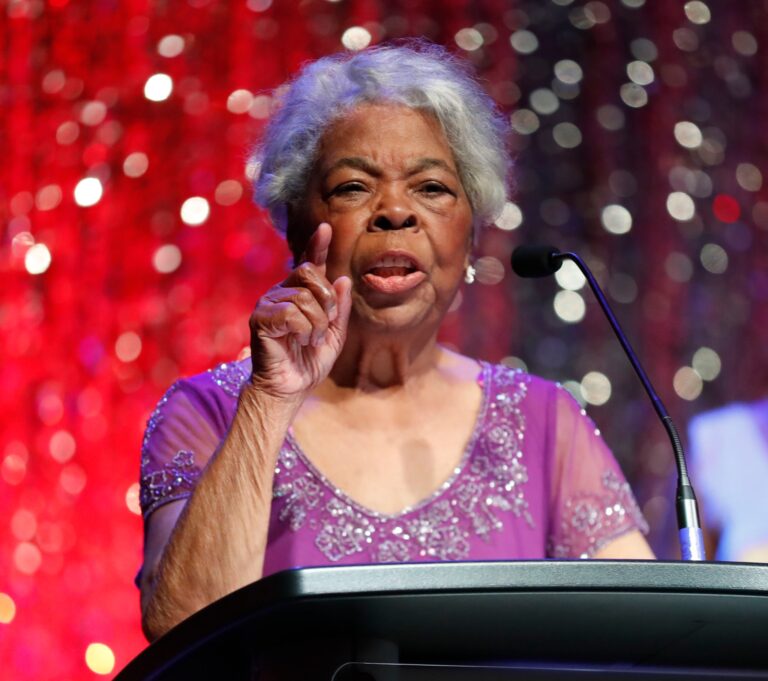
Dorothy Prevost, who passed away Friday, was one of them.
She was the mother of Tessie Prevost, one of the “New Orleans Four,” the first Black children to integrate previously all-white elementary schools in the city. On November 14, 1960, as angry white crowds hurled slurs and threats outside McDonogh 19 and William Frantz Elementary, Dorothy Prevost made the choice to send her daughter through those doors anyway.
That decision wasn’t abstract. It wasn’t theoretical. It wasn’t a hashtag or a speech. It meant daily harassment. It meant threats to her child. It meant economic and social retaliation. It meant knowing that your first grader would sit alone in a classroom because white parents pulled their children out rather than allow them to learn beside her.
That is what Dorothy Prevost signed up for.
The integration of New Orleans schools was not a smooth moral awakening. It was forced compliance after years of delay following Brown v. Board of Education. Federal courts ordered the city to act. Local officials stalled. White resistance was loud, organized, and vicious.
In that environment, Black families were asked — quietly but clearly — to step forward and carry the weight of a constitutional mandate on their backs.
Dorothy Prevost said yes.
We often celebrate the visible heroes of the civil rights movement, but movements are sustained by ordinary people making extraordinary decisions inside their homes. The mothers of the New Orleans Four understood that their children would bear emotional scars. They also understood that if no one volunteered, segregation would remain intact.
That moral math is staggering.
The long-term impact of that moment reshaped New Orleans and helped crack open educational barriers across Louisiana. It also exposed the depth of white resistance that still echoes in today’s debates over school funding, zoning, and equity.
Dorothy Prevost was not a politician. She did not hold office. She did something arguably harder: she entrusted her child to a hostile system in order to change it.
In the decades since, the story of the New Orleans Four has rightfully gained recognition. The McDonogh 19 building has been preserved as a civil rights landmark. Ruby Bridges became a national symbol. Leona Tate and Gail Etienne have carried the history forward through education and advocacy.
But none of that exists without mothers like Dorothy Prevost.
As Louisiana continues to wrestle with what equity in education actually means — not just in rhetoric but in budgets, boundaries, and access — we would do well to remember who paid the initial cost.
Dorothy Prevost’s legacy is not abstract. It lives in every Black child who walks into a school that once would have turned them away.
She mattered because she understood something simple and unshakeable: progress requires someone willing to go first.
And in 1960, she sent her daughter.